Banshu Miki, Hyogo: Japan's Hardware Capital — Knife Shopping Guide
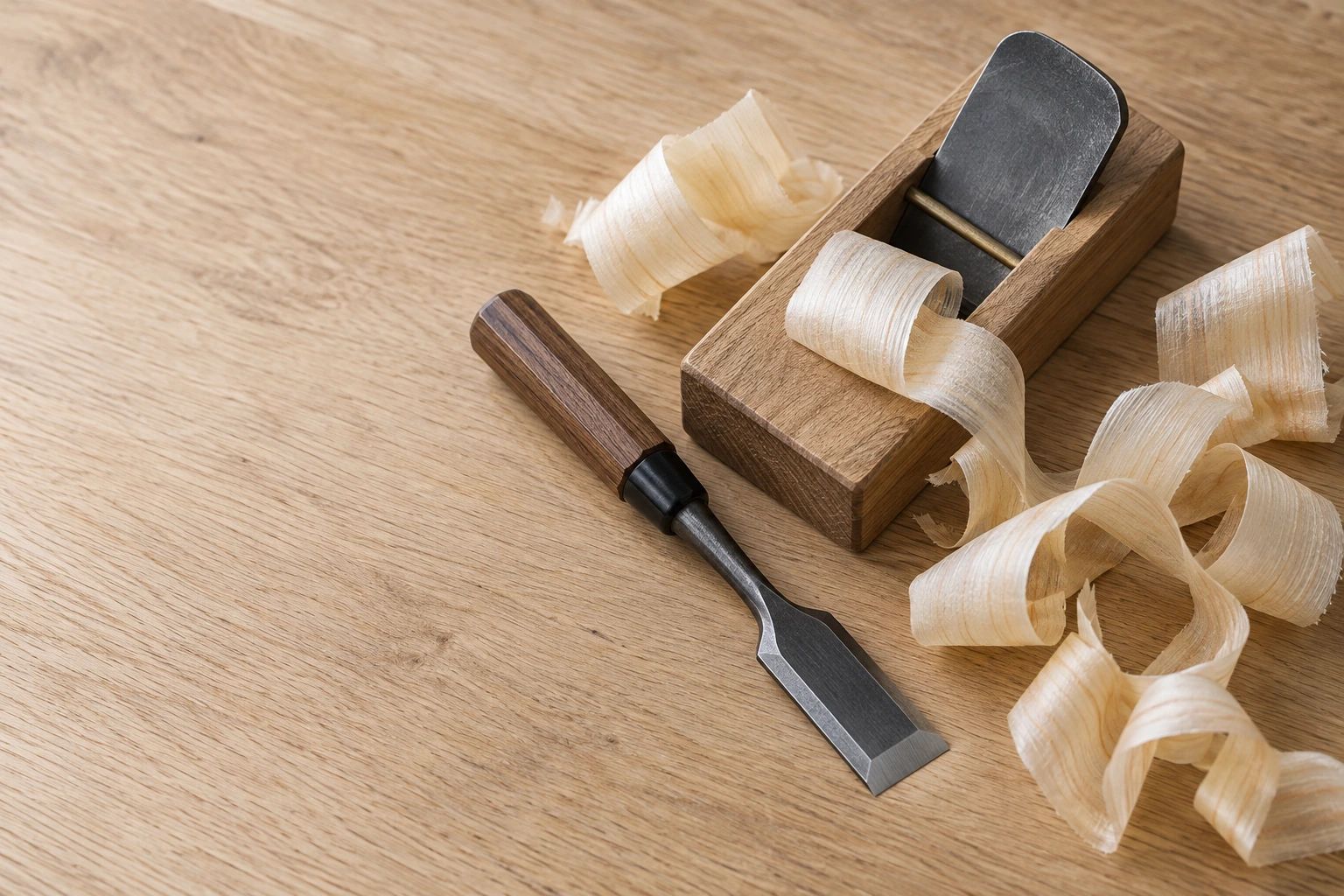
Table of Contents
Miki City in Hyogo Prefecture is known as Japan's Hardware Capital — a title earned through over 1,500 years of continuous metalworking. While Sakai is famous for kitchen knives and Seki for cutlery, Miki produces the broadest range of forged tools in Japan: chisels, planes, saws, garden implements, and — yes — excellent kitchen knives.
For visitors interested in Japanese metalworking culture beyond kitchen knives alone, Miki offers a deep, authentic experience. The annual Hardware Festival in November is one of Japan's great craft events, drawing tens of thousands of tool enthusiasts.
Why Banshu Miki for Knives?
- 1,500 years of metalworking — one of Japan's oldest forging traditions
- Japan's Hardware Capital — unmatched breadth of forged tools and blades
- Excellent value — quality hand-forged knives at working-tool prices
- Annual Hardware Festival — November event with massive discounts direct from makers
- Near Kobe and Osaka — easy day trip from the Kansai region
1. Roadside Station Miki / Kanamono Museum (道の駅みき) — The Must-Visit
Roadside Station Miki / Kanamono Museum 道の駅みき 金物展示即売館
The official showcase of Miki's hardware industry, featuring over 10,000 items from local manufacturers. Kitchen knives, chisels, planes, saws, garden tools — the full range of Miki craftsmanship under one roof. Exhibition area covers the history of Miki metalworking.
The hardware exhibition and sales hall is open 9:00–17:00. The whole station is closed on 1 January; over the New Year period, opening days vary by shop.
Details checked 2026-09-15
What makes it special: With over 10,000 items on display and for sale, this is the single best place to experience the full scope of Miki's metalworking tradition. The exhibition area traces 1,500 years of history, while the retail section lets you buy directly from dozens of local manufacturers at fair prices.
Best for: Every visitor to Miki. Start here to understand what makes this town unique, then visit individual workshops that interest you.
2. Miki Hamono Manufacturing (三木刃物製作所) — Est. 1935
Miki Hamono Manufacturing 三木刃物製作所
Established in 1935, a long-standing manufacturer of kitchen knives and cutting tools in Miki. Nearly 90 years of continuous production, combining traditional forging with modern quality control.
Call ahead for visits.
Not yet checked against the shop’s own sources — confirm before you go.
What makes it special: Nearly 90 years of continuous knife manufacturing gives Miki Hamono deep expertise in blade production. They produce a range of kitchen knives that balance traditional forging techniques with modern consistency — reliable, well-made blades at honest prices.
Best for: Those looking for well-made, no-nonsense kitchen knives directly from a long-established manufacturer.
3. Misuzu Hamono (三寿ゞ刃物製作所) — Traditional Forged Kitchen Knives
Misuzu Hamono 三寿ゞ刃物製作所
A traditional forge producing hand-forged kitchen knives in Miki. Uses time-honored forging methods to create blades with excellent cutting performance and distinctive handmade character.
Details checked 2026-09-15
What makes it special: Misuzu Hamono keeps traditional hand-forging alive in Miki. Their kitchen knives carry the character of individually hammered blades — each one slightly different, each one made by hand. In a city increasingly focused on industrial production, Misuzu represents the artisan tradition.
Best for: Those who value handmade character and want a traditionally forged Miki kitchen knife.
4. Banka (播鍛) — A Modern Brand on a 250-Year Tradition
Banka 播鍛
Located in neighboring Ono, Hyogo, Banka carries on over 250 years of the Banshu forging tradition. Produces hand-forged knives and tools that represent the best of the region's metalworking heritage.
Call ahead for visits.
Checked 2026-09-15 against the shop’s own sources; not confirmed: hours.
What makes it special: Banka is a modern brand built on an old base: a forge founded in the late Meiji period, working with a metalware wholesaler that has handled Banshu goods since the early Showa years. The 250-year tradition it draws on is the region's, not the brand's — razors were being forged here in the 18th century, knives and scissors soon after. Located in neighboring Ono — another historic hardware town — they produce hand-forged blades that carry centuries of accumulated technique. The name "Banka" (播鍛) literally means "Banshu Forge."
Best for: History-minded visitors who want blades from one of the region's oldest forging lineages.
5. Miki Hardware Festival (三木金物まつり) — Annual November Event
Miki Hardware Festival 三木金物まつり
An annual festival held in early November where dozens of Miki manufacturers sell tools and knives directly to the public at special prices. Demonstrations, workshops, and incredible deals — the best time of year to buy Miki hardware.
Checked 2026-09-15 against the shop’s own sources; not confirmed: address.
What makes it special: The Miki Hardware Festival is the region's biggest annual event, drawing tens of thousands of visitors. Manufacturers set up stalls and sell directly to the public at 30-50% below retail prices. You can find kitchen knives, chisels, planes, saws, and garden tools — all at festival prices that make this the best time to buy Miki hardware.
Note: The festival is held for one weekend in early November. Check the exact dates each year before planning your visit.
Best for: Anyone who can time their visit to November. The combination of direct-from-maker prices, variety, and festive atmosphere makes this unmissable.
6. Miki City Traditional Craft Museum (三木市立金物資料館) — Free Admission
Miki City Traditional Craft Museum 三木市立金物資料館
A free-admission museum dedicated to Miki's blade and hardware history. Features exhibits on traditional forging techniques, historical tools, and the evolution of Miki metalworking. Includes a retail section where visitors can purchase knives and tools from local makers.
Last entry 16:30. Open when Monday is a public holiday. Closed the day after a public holiday (open if that day is a Saturday or Sunday). Closed 28 December – 4 January.
- Admission: Free
Details checked 2026-09-15
What makes it special: This free museum provides the best educational introduction to Miki's 1,500-year metalworking heritage. The exhibits trace the evolution from ancient iron-forging to modern blade production, with historical tools and displays on traditional techniques. The attached retail section offers knives and tools from local manufacturers — a chance to buy directly after learning the history behind each piece.
Best for: Anyone visiting Miki who wants to understand the context and history before shopping. An ideal first stop, complementing the Roadside Station.
7. Kanekoma (兼駒刃物) — Traditional Miki Blacksmith
Kanekoma 兼駒刃物
We could not find this shop in our last check (15 September 2026). Contact it before planning a visit.
A traditional blacksmith in Miki, Hyogo, producing kitchen knives and agricultural tools using time-honored forging methods. Kanekoma represents the full breadth of Miki's blade tradition — from kitchen to field.
Call ahead.
Not yet checked against the shop’s own sources — confirm before you go.
What makes it special: Kanekoma embodies the full range of Miki's metalworking tradition, producing both kitchen knives and agricultural tools using traditional forging techniques. This dual focus — blades for the kitchen and blades for the field — is quintessentially Miki, where metalworking has always served both the cook and the farmer. Their kitchen knives carry the robust, no-nonsense character of tools made by smiths who forge for practical use.
Best for: Visitors who want to experience a traditional Miki blacksmith and purchase hand-forged knives directly from the maker.
About Banshu Miki Blades
Miki's metalworking tradition stretches back over 1,500 years. Legend attributes its origin to the 6th century, when craftsmen began forging tools from local iron. The tradition deepened during the medieval period when the region's smiths supplied tools for castle and temple construction — skills that naturally extended to agricultural implements and kitchen knives.
Today, Miki and the surrounding Banshu region produce an astonishing range of forged tools. The city is home to hundreds of small manufacturers, many family-run operations that have been forging for generations. Miki's identity is toolmaking in the broadest sense — kitchen knives are one part of a much larger metalworking tradition that includes some of the world's finest woodworking tools.
Getting There
- From Kobe: About 50 minutes by car via the San'yo Expressway; or Kobe Electric Railway to Miki Station
- From Osaka: About 1 hour by car; or train to Sannomiya (Kobe) then Kobe Electric Railway
- From Himeji: About 40 minutes by car
- Local transport: A car is recommended — Miki's workshops are spread across the city with limited bus service
Tip: Combine a Miki visit with Himeji Castle (40 minutes away) or the Arima Onsen hot springs (30 minutes). If visiting in November, time your trip around the Hardware Festival for the best deals.