Shinshu, Nagano: Mountain-Forged Blades — Knife Shopping Guide
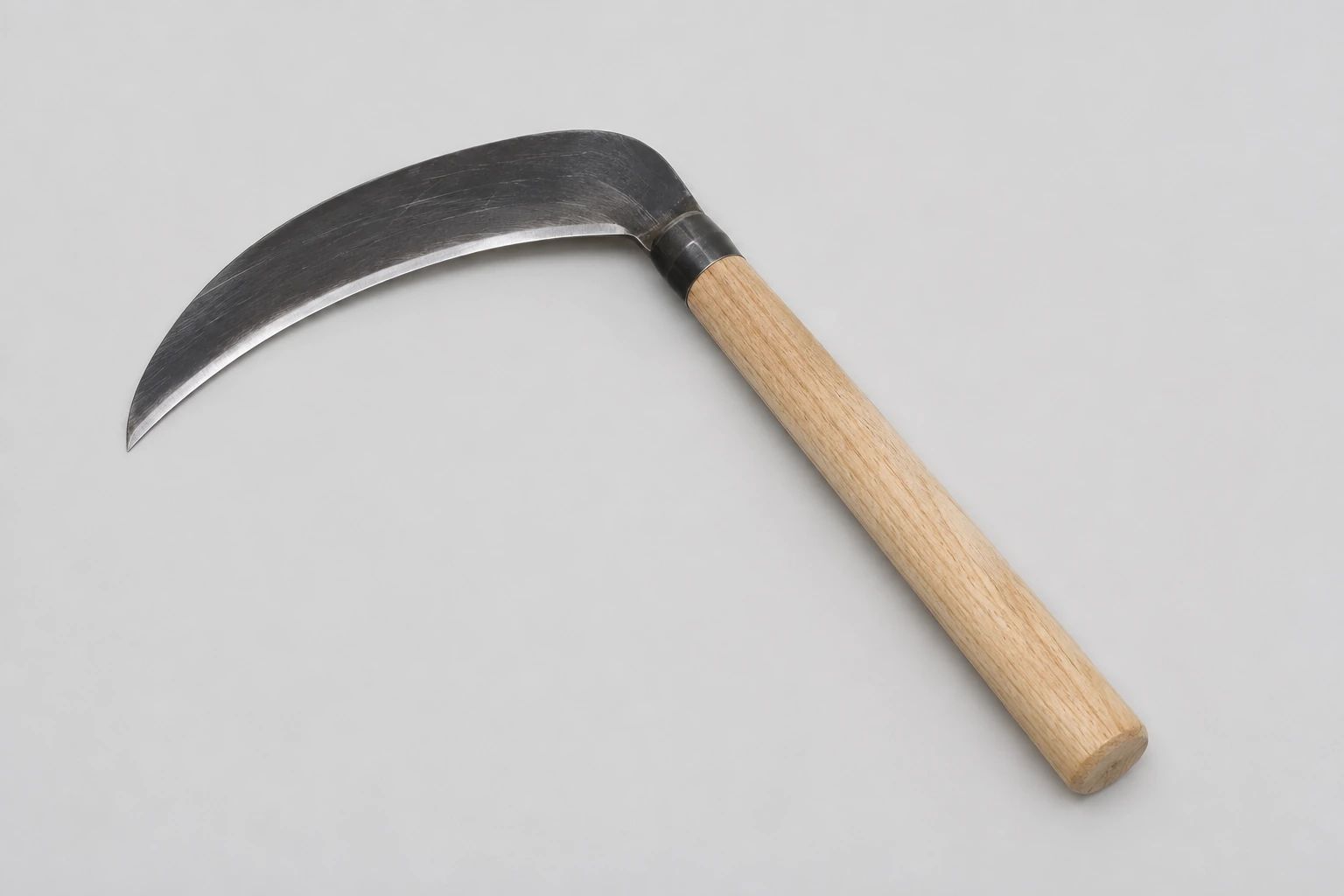
Table of Contents
In the mountains of Nagano Prefecture, the Shinshu blade-making tradition has quietly persisted for centuries. Less famous than Sakai or Seki, Shinshu forged blades (Shinshu Uchihamono) are the product of a harsh mountain environment that demanded tough, reliable tools — and a food culture centered on soba noodles that required specialized cutting knives.
Visiting Shinshu for knives is a journey into Japan's mountain heartland, where craft traditions are intertwined with the landscape, climate, and cuisine of the region.
Why Shinshu for Knives?
- Mountain-forged character — blades shaped by a tradition of durability in harsh conditions
- Soba-kiri knives — specialty noodle-cutting blades from Japan's soba capital
- Off the beaten path — authentic craft experience far from tourist crowds
- Combined with Nagano travel — ski resorts, temples, hot springs, and mountain scenery
1. Shinshu Uchihamono Center — The Starting Point
Shinshu Uchihamono Center 信州打刃物センター
We could not find this shop in our last check (15 September 2026). Contact it before planning a visit.
The official production and exhibition center for Shinshu forged blades, located in Shinano-machi. Displays the full range of local blade-making, from kitchen knives to agricultural tools. Retail section carries products from local craftsmen.
Not yet checked against the shop’s own sources — confirm before you go.
What makes it special: This is the central hub for Shinshu's blade-making tradition — the best starting point for understanding what makes Nagano's forged blades unique. The exhibition covers the region's metalworking history, while the retail section offers knives and tools directly from local craftsmen.
Best for: First-time visitors who want an overview of Shinshu blade-making before exploring individual craftsmen.
2. Yamaki Shirokiya (やまき白木屋) — Online Shop of a Local Wholesaler
Yamaki Shirokiya やまき白木屋
An online cutlery shop run by Kida Benji Shoten, a general hardware wholesaler in Shinano-machi that began in the late Meiji era as a wholesaler of the local Shinshu forged blades. It sells kitchen knives (including noodle knives), farm tools such as sickles, hoes and hatchets, and garden shears.
- Ships overseas ask the shop
- Online store ✓
- Engraving ask the shop
- Tax-free ask the shop
“✓” = confirmed on the shop’s own website or an official listing such as a trade association’s or the local authority’s (2026-11-06). Anything else: please ask in store.
Details checked 2026-09-15
What makes it special: This is the online shop of Kida Benji Shoten, a hardware wholesaler in Shinano-machi that began in the late Meiji era as a wholesaler of local Shinshu forged blades. Alongside kitchen knives (including noodle knives), it sells farm tools such as sickles, hoes and hatchets, and pruning shears.
Best for: Buyers who want to order knives or farm tools online from a wholesaler in the Shinshu blade-making area. The site is in Japanese only, and its shipping table lists only addresses in Japan. Whether you can buy over the counter is unconfirmed, so call before visiting.
3. Hatayama Jukichi (畑山充吉) — Traditional Craftsman
Hatayama Jukichi 畑山刃物工業
A traditional craftsman producing hand-forged blades in the Shinshu tradition. Each knife is individually hammered and finished by hand, carrying the distinctive character of mountain-forged steel.
Details checked 2026-09-15
What makes it special: Hatayama Jukichi is one of the few remaining traditional craftsmen keeping Shinshu's hand-forging alive. Each blade is individually forged — no two are identical. Visiting a craftsman like this offers an intimate glimpse into a tradition that is becoming increasingly rare.
Best for: Dedicated enthusiasts willing to make arrangements in advance. This is not a casual drop-in — contact ahead to arrange a visit.
4. Togakushi Soba Knives — Specialty Noodle Blades
Togakushi Soba Knives
戸隠そば切り包丁
Specialty soba-cutting knives from the Togakushi area, one of Japan's three great soba regions. These tall, rectangular blades are purpose-built for cutting buckwheat noodles and are available at shops throughout the Togakushi soba district.
Address: Togakushi area, Nagano City
Hours: Varies by shop
What makes it special: Togakushi is one of Japan's three great soba regions, and the soba-kiri knife is its signature blade. These tall, rectangular knives are designed for one purpose: pressing straight down through rolled soba dough to produce perfectly even noodles. A Togakushi soba-kiri is the ultimate niche knife — useless for most tasks, but irreplaceable for its intended one.
Best for: Soba enthusiasts who make their own noodles, or collectors who want a truly unique Japanese blade that you will not find in typical knife shops.
About Shinshu Knives
Shinshu's blade-making tradition is rooted in the practical needs of mountain life. Nagano's harsh winters and heavily forested landscape demanded tough, reliable tools for agriculture, forestry, and daily living. Local blacksmiths developed blades suited to these conditions — sturdy, thick-spined, and built to last through hard use in cold weather.
The region's food culture — particularly Togakushi soba — created specialized demand for noodle-cutting knives, giving Shinshu a distinctive blade category not found in other production regions. Today, Shinshu Uchihamono remains a small but authentic tradition, with a handful of craftsmen keeping the mountain-forging heritage alive.
Getting There
- From Tokyo: Hokuriku Shinkansen to Nagano Station — approx. 1 hour 20 minutes
- Shinano-machi: Shinano Railway from Nagano Station — approx. 30 minutes
- Togakushi: Alpico Bus from Nagano Station — approx. 1 hour
- Local transport: A rental car is recommended for visiting scattered workshops
Tip: Combine knife shopping with a full Togakushi experience — visit Togakushi Shrine (one of Nagano's most atmospheric), eat fresh soba at a local restaurant, then buy a soba-kiri knife as a souvenir. In winter, Nagano's ski resorts are nearby.