Damascus Knife: What the Layers Actually Do (2026 Guide)
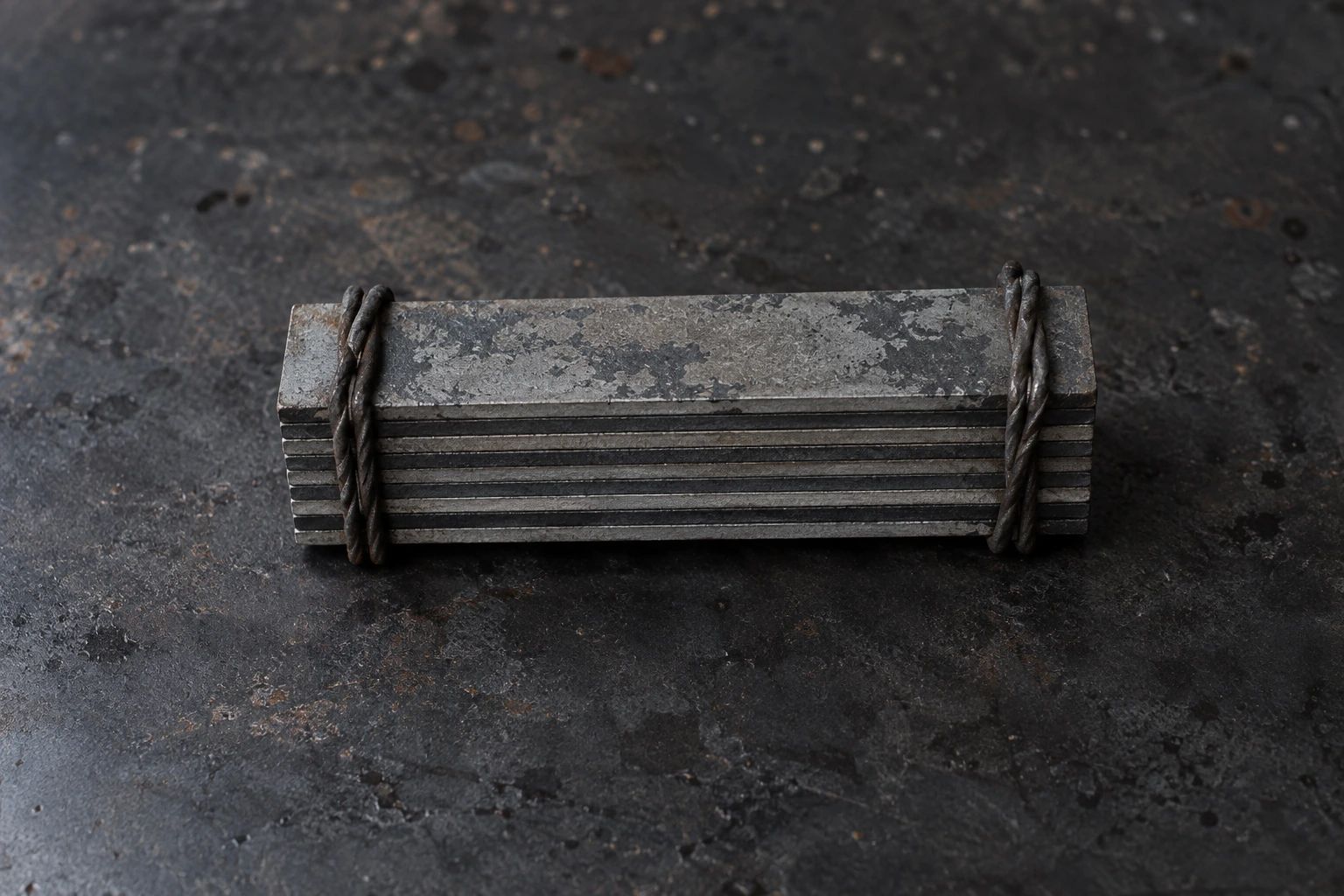
Table of Contents
Damascus knives are among the most visually stunning blades in the world — featuring mesmerizing wave patterns created by layering different types of steel. But beyond their beauty, Damascus knives offer real performance benefits when built around a quality core steel.
In this guide, we explain how Damascus steel is made, what to look for when buying, and whether the premium price is justified.
We've examined over 50 Damascus knives at Kappabashi shops, comparing pattern depth, steel core quality, and edge retention across price ranges. The recommendations and advice in this guide reflect hands-on testing, not marketing claims.
What Is a Damascus Knife?
A Damascus knife features a blade made from multiple layers of different steels that are forge-welded together, creating distinctive wavy, flowing patterns on the blade surface. Modern Japanese Damascus kitchen knives typically use a hard core steel (the cutting edge) wrapped in softer Damascus-patterned outer layers.
The name "Damascus" references the historical Damascus steel used in Middle Eastern swords, though modern Damascus knives use a different manufacturing process. Today's Damascus is more accurately called pattern-welded steel.
How Damascus Steel Is Made
Modern Japanese Damascus knives are created through a multi-step process:
- Layer stacking — alternating layers of hard and soft steel are stacked together (typically stainless steel varieties)
- Forge welding — the layers are heated to ~1,200°C and hammer-welded into a single billet
- Folding — the billet is folded repeatedly to multiply the layers (e.g., 17 layers folded once = 33 layers)
- Core steel insertion — a hard cutting steel (VG-10, SG2, etc.) is sandwiched between the Damascus layers
- Blade shaping — the composite billet is forged into a knife shape
- Acid etching — the finished blade is etched in acid, which reacts differently with each steel type, revealing the pattern
Types of Damascus Patterns
| Pattern | Layers | Appearance | Price Range |
|---|---|---|---|
| Suminagashi (墨流し) | 33-45 | Flowing "ink in water" waves — the classic Japanese Damascus | $$-$$$ |
| Raindrop | 67-101 | Circular raindrop-like dimples across the blade | $$$ |
| Ladder | 33-67 | Horizontal stepped pattern resembling a ladder | $$-$$$ |
| Rose | 101+ | Swirling rose-like patterns — the most intricate | $$$$ |
| Random | Varies | Organic, unpredictable patterns — each blade unique | $$-$$$$ |
Our Top 5 Damascus Knife Picks
From entry-level to collector's grade, these are the Damascus knives we recommend after hands-on testing:
- Tojiro Shippu Santoku 170mm, 63-layer — ~$120
The best entry into real Damascus. VG-10 core with 63 layers of stainless cladding. The flowing suminagashi pattern is genuine and attractive. Outstanding value — performs well above its price point. Best for: First Damascus knife buyers. - Shun Classic Gyuto 200mm, 69-layer — ~$170
VG-MAX core (a proprietary upgrade over VG-10) wrapped in 69 layers of Damascus. Beautiful blade, comfortable PakkaWood D-shaped handle, and backed by a lifetime warranty. Widely available and well-supported. Best for: Enthusiast home cooks wanting beauty + performance. - Miyabi 5000MCD Santoku 180mm, 101-layer — ~$280
SG2 powdered steel core with 101 fine Damascus layers creating a delicate, cloud-like pattern. Cryodur ice-hardening process and hand-honed to 9.5° per side. The finest factory edge of any Damascus production knife. Best for: Premium home kitchens and serious enthusiasts. - Yu Kurosaki Shizuku R2 Gyuto 210mm — ~$350
Hand-forged by one of Japan's most celebrated young bladesmiths. The "Shizuku" (raindrop) Damascus pattern is mesmerizing. SG2/R2 core steel delivers exceptional edge retention. Each blade is unique. Best for: Collectors and those who want artisan craftsmanship. - Takeshi Saji Rainbow Damascus Gyuto 210mm — ~$500+
Created by a designated National Living Treasure artisan. The rainbow Damascus pattern is achieved through specialized heat treatment that creates iridescent colors within the Damascus layers. R2 core steel. A functional work of art. Best for: Collectors and gift-givers seeking a once-in-a-lifetime knife.
Benefits & Drawbacks
Benefits
- Stunning aesthetics — each blade has a unique, one-of-a-kind pattern
- Chip resistance — the softer outer layers absorb impacts, protecting the hard core
- Food release — the layered surface texture can reduce food sticking
- Conversation piece — a Damascus knife is a centerpiece in any kitchen
Drawbacks
- Higher price — Damascus construction adds 30-100% to the cost
- No cutting advantage — the pattern doesn't make the knife sharper
- Maintenance — some Damascus knives require more careful drying to maintain the pattern
- Quality varies widely — cheap Damascus knives often use poor core steel
Damascus vs Regular Steel Knives
| Feature | Damascus | Single Steel |
|---|---|---|
| Visual appeal | ★★★★★ | ★★★ |
| Cutting performance | ★★★★ (depends on core) | ★★★★ (depends on steel) |
| Chip resistance | ★★★★★ | ★★★ |
| Price | $$$-$$$$ | $$-$$$ |
| Maintenance | Moderate | Low-Moderate |
| Uniqueness | Every blade is unique | Uniform appearance |
How to Spot Fake Damascus
The popularity of Damascus knives has led to a flood of fakes on the market. Watch for these 5 red flags:
- The pattern only appears on the flat of the blade — Real Damascus patterns continue across the spine, choil, and into the tang. If the wavy pattern abruptly stops at the edge of the blade flat, it's likely laser-etched or acid-printed onto the surface.
- The pattern is perfectly symmetrical and repeating — Genuine forge-welded Damascus produces slightly irregular, organic patterns. Each knife should look different. If two knives in a display have identical patterns, they're printed.
- The price is too low for the claimed layer count — A genuine 67-layer Damascus knife from a reputable maker costs $100+ minimum. If a "101-layer Damascus" knife costs $30-40, the pattern is not real forge-welded Damascus.
- No core steel is specified — Legitimate Damascus knife makers prominently list their core steel (VG-10, SG2, Aogami Blue #2, etc.) because it determines cutting performance. If the listing only mentions "Damascus steel" without specifying the core, be cautious.
- The pattern disappears after sharpening or light polishing — Real Damascus patterns go through the entire thickness of the steel. If you gently polish a small area and the pattern vanishes, it was only on the surface. (Note: real Damascus can be re-etched with diluted ferric chloride or instant coffee to restore a faded pattern.)
How to Choose a Damascus Knife
- Prioritize core steel over pattern — VG-10, SG2/R2, and Aogami Blue #2 are excellent core steels
- Check layer count — 33-67 layers is the sweet spot. Be skeptical of "1,000 layer" claims at low prices
- Verify authenticity — pattern should be visible on the spine and choil, not just the flat
- Consider the maker — reputable brands include Shun, Miyabi, Saji, Takeshi, and Yu Kurosaki
- Match to your needs — choose the blade shape first (santoku, gyuto, etc.), then decide on Damascus
Care & Maintenance
- Hand wash and dry immediately — water spots can obscure the pattern
- Oil occasionally — a thin coat of camellia oil (tsubaki) protects the pattern and prevents discoloration
- Sharpen with whetstones — normal sharpening does not affect the Damascus pattern
- Re-etch if needed — if the pattern fades, a brief acid etch (diluted ferric chloride or instant coffee) can restore it
- Store properly — use a magnetic strip or blade guard to prevent scratches
Damascus Care: Special Considerations
Damascus knives share most maintenance needs with regular Japanese knives, but the layered steel construction requires a few extra considerations:
- Avoid dishwashers completely — Dishwasher detergent is highly alkaline and will strip the acid-etched Damascus pattern, leaving the blade looking dull and uniform. Always hand wash.
- Dry immediately after washing — Water spots are more visible on Damascus blades because they interrupt the pattern contrast. A quick towel dry after each wash keeps the pattern looking its best.
- Apply camellia oil (tsubaki) monthly — A thin film of camellia oil protects the pattern from oxidation and enhances the visual contrast between layers. Food-safe mineral oil works as an alternative.
- Re-etch to restore faded patterns — Over time, regular use and washing can fade the Damascus pattern. To restore it, soak the blade in strong instant coffee (3-4 tablespoons in a cup) for 10-15 minutes, then rinse and dry. For a more dramatic restoration, use diluted ferric chloride (available at electronics stores), but be careful not to over-etch.
- Avoid abrasive cleaners and scouring pads — These will scratch the Damascus surface and dull the pattern. Use a soft sponge with mild dish soap.
- Store in a saya (blade guard) or on a magnetic strip — Blade-to-blade contact in a drawer will scratch the Damascus finish. A magnetic strip displays the pattern beautifully while protecting the edge.