How to Choose Your First Japanese Knife
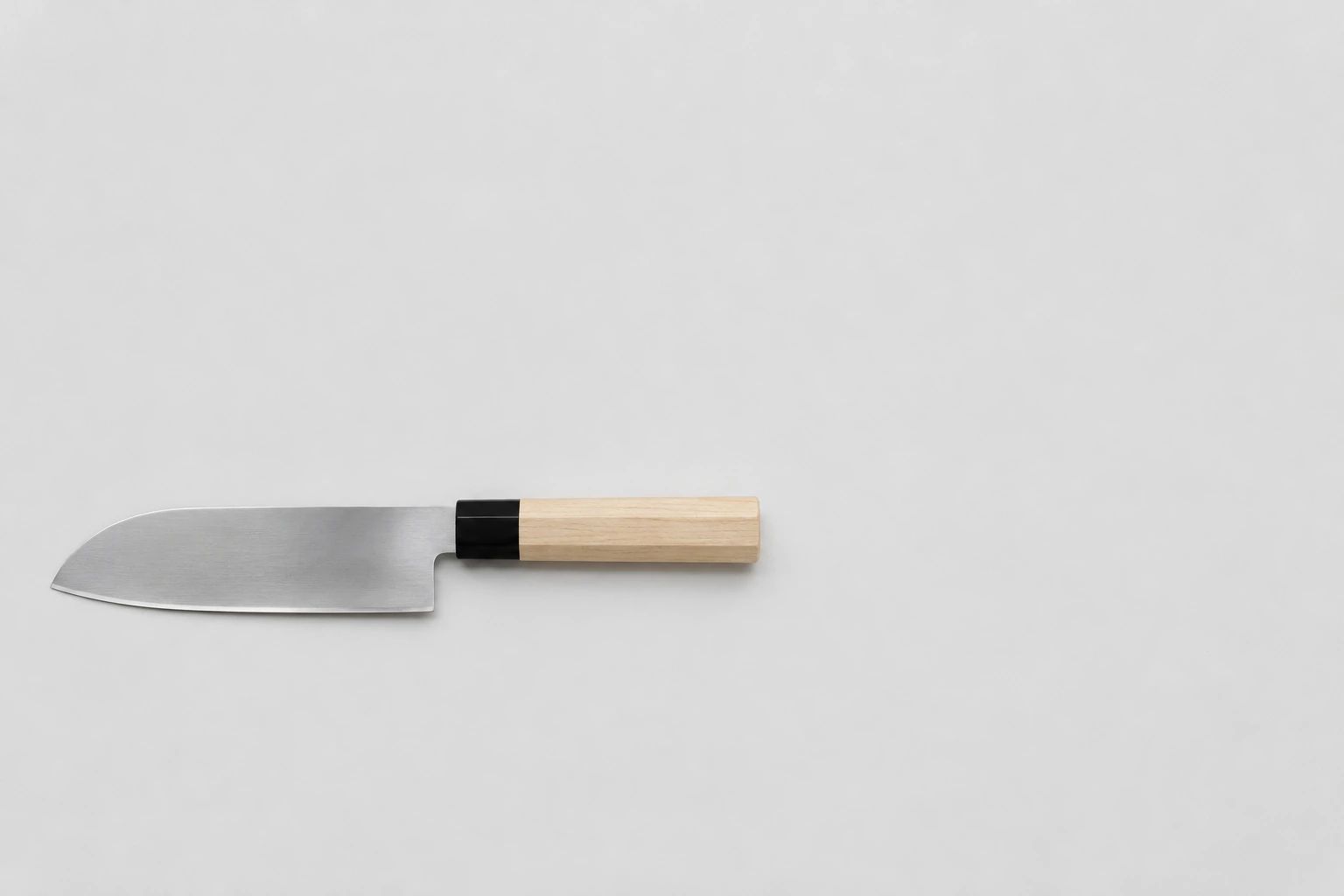
Table of Contents
Choosing your first Japanese knife can feel overwhelming — hundreds of brands, dozens of steel types, and unfamiliar terminology. This guide simplifies it into 5 clear decisions.
The good news: there is no single "wrong" choice. Japanese knives at every price point offer superior cutting performance compared to most Western alternatives. The key is matching the knife to your cooking style, skill level, and maintenance habits. A ~$120 Tojiro DP in the right hands will outperform a $300 knife that doesn't suit the user's technique.
Before diving into the details, consider this: start simple. Many enthusiasts recommend buying one great all-purpose knife (santoku or gyuto) rather than a mediocre set of five. You can always add specialized knives later as your skills and preferences develop. The Japanese approach to kitchen knives has always favored quality over quantity. If you would rather start with a matched pair, our Japanese knife set comparison lists small sets with current prices.
Quick Decision Matrix
| Cooking Style | Recommended Knife | Budget Pick | Premium Pick |
|---|---|---|---|
| All-purpose home cooking | Santoku 165mm | Tojiro DP Santoku (~$122) | Shun Classic (~$190) |
| Serious cooking / meal prep | Gyuto 210mm | MAC Professional MTH-80 (~$160) | Misono UX10 (~$258) |
| Vegetarian / plant-based | Nakiri 165mm | Tojiro DP Nakiri (~$122) | Miyabi Birchwood Nakiri 170mm (~$335) |
| Sushi / sashimi enthusiast | Yanagiba 240mm | Tojiro Shirogami ($170) | Suisin Inox Honyaki ($765) |
| Professional chef | Gyuto 240mm | Misono UX10 (~$340) | Sukenari SG2 (~$390-600) |
Step 1: Choose Your Blade Type
| If you... | Choose | Why |
|---|---|---|
| Want one knife for everything | Santoku 165mm | Lighter, shorter, beginner-friendly |
| Cook professionally or want max versatility | Gyuto 210mm | Longer reach, handles larger ingredients |
| Cook mostly vegetables | Nakiri 165mm | Flat blade = perfect vegetable cuts |
Step 2: Choose Your Steel
| Steel | Maintenance | Sharpness | Best For |
|---|---|---|---|
| Stainless (VG-10) | Easy — rust-resistant | ★★★★ | Beginners, busy kitchens |
| Carbon (White #2) | High — rusts if not dried | ★★★★★ | Enthusiasts who enjoy knife care |
| Powdered (SG2) | Moderate | ★★★★★ | Those with bigger budgets |
Our recommendation for beginners: Start with stainless (VG-10). You can explore carbon steel later.
Step 3: Choose Your Size
- Santoku: 165mm is standard. 150mm for small hands, 180mm for large.
- Gyuto: 210mm is the most versatile. 180mm for compact kitchens, 240mm for professionals.
Step 4: Choose Your Handle
| Handle | Shape | Weight | Best For |
|---|---|---|---|
| Wa-handle (Japanese) | Octagonal or D-shape | Lighter | Those who prefer a light, balanced feel |
| Western handle | Riveted, ergonomic | Heavier | Those familiar with Western knives |
Step 5: Set Your Budget
| Budget | What You Get | Our Pick |
|---|---|---|
| $30-50 | Good steel, basic handle/finish | Tojiro Color Santoku 170mm (~$47) |
| $50-100 | Great steel, better fit and finish | MAC Chef Series HB-85 (~$90) |
| $100-200 | Premium steel, Damascus available | Shun Classic (~$190) |
| $200+ | Artisan-forged, top-tier steel | Miyabi 5000MCD (~$300) |
Our Starter Recommendations
The "Can't Go Wrong" Pick: Tojiro DP Santoku 170mm — ~$122
VG-10 steel, easy maintenance, great sharpness. If every beginner bought this knife, they'd all be happy.
The "Step Up" Pick: MAC Professional Chef's Knife 200mm (MTH-80) — ~$160
Used by professionals worldwide. Thin, sharp, durable. A benchmark gyuto under $200.
The "Treat Yourself" Pick: Shun Classic Santoku 175mm — ~$190
Beautiful 69-layer Damascus. VG-MAX steel. A knife you'll be proud to own and use daily.